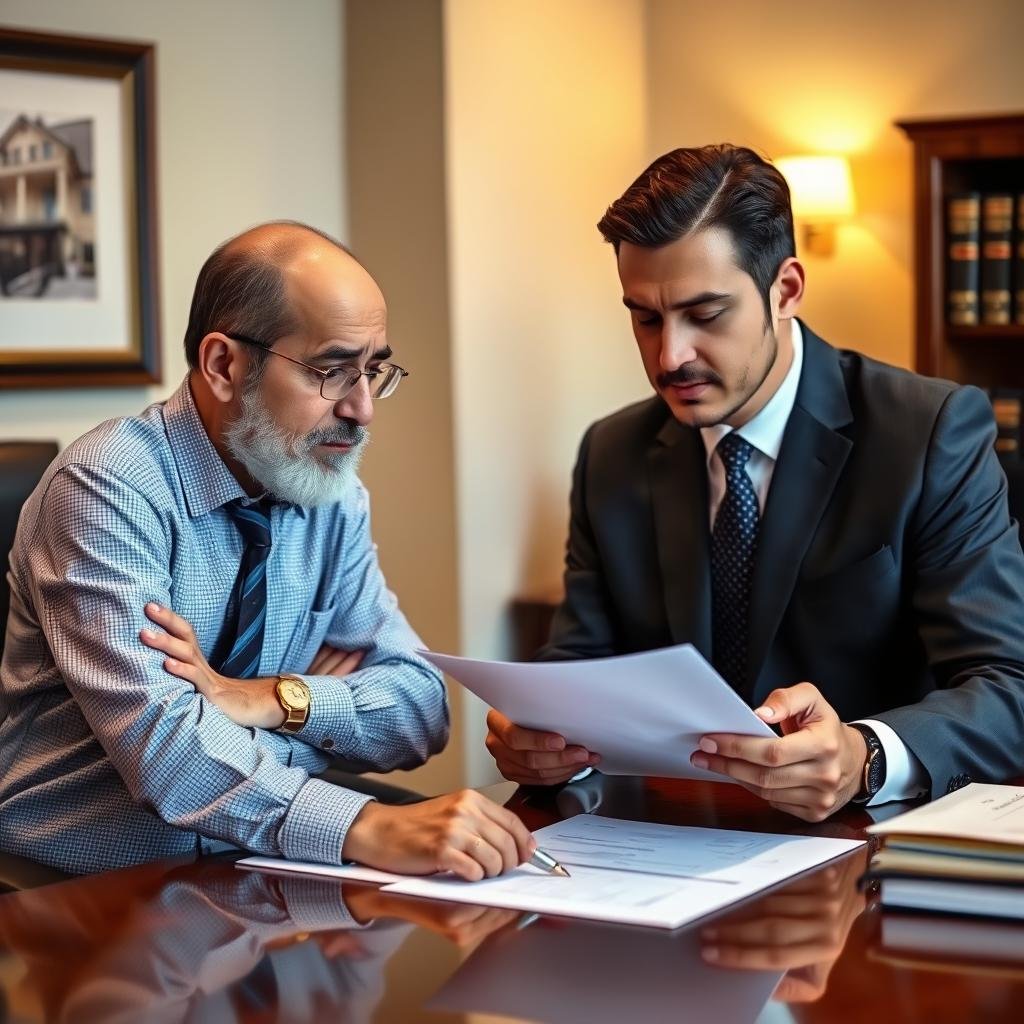
Peru property purchase lawyer
Buying real estate in Peru presents a unique cross-border opportunity, whether you are acquiring a Lima apartment, a beachfront condominium in Miraflores, or a rural property in the Sacred Valley. Law Offices of SRIS, P.C. helps US-based clients navigate the legal dimensions of such transactions that arise under US law — including cross-border fund transfer compliance, foreign account reporting, and tax consequences — while collaborating with Peruvian-admitted Of Counsel on matters of Peruvian law. This page provides general legal information; it is not legal advice or legal representation under Peruvian law. Neither Mr. Sriskandarajah nor any US-licensed attorney at the firm is admitted to practice in Peru. For immediate Peruvian-law representation, you should consult an attorney admitted by the Colegio de Abogados de Lima. To learn how we can assist with the US-side of your purchase, contact Law Offices of SRIS, P.C. at (888) 437-7747.
Key US legal considerations when buying property in Peru
Most US buyers can legally acquire Peruvian real estate, but the transaction raises important US-side legal questions that a Peru property purchase lawyer can address. Peruvian law generally permits foreign ownership of property (subject to border-zone restrictions), and the country’s civil-law framework derived from the Peruvian Civil Code of 1984 governs the conveyance. However, the structure of the purchase — whether you hold title individually, through a US entity, or through a Peruvian vehicle — triggers distinct compliance obligations under US law. The Foreign Account Tax Compliance Act (FATCA), Report of Foreign Bank and Financial Accounts (FBAR) filing, and potential FIRPTA exposure on disposition are all matters we routinely address for clients making international real-estate investments.
A common pitfall for US buyers is underestimating the documentation authentication requirements. While Peru is a contracting party to the 1961 Hague Apostille Convention (effective 30 September 2010), public documents destined for use in Peru must be apostilled by the competent authority in the issuing US state. Additionally, powers of attorney, purchase agreements, and closing statements often need sworn translations. We work with Peruvian Of Counsel to ensure that documents executed in the US meet Peruvian notarial and registration standards, reducing the risk of a voidable deed or delayed title registration.
Frequently Asked Questions
Can a US citizen buy real estate in Peru?
Yes, US citizens generally may purchase property in Peru, but special rules apply in border and coastal areas. Under the Peruvian Constitution and its implementing legislation, non-residents can acquire real estate except within 50 kilometers of the border, where a Supreme Decree is required. Coastal-zone acquisitions may also trigger a public-interest review. A Peruvian-admitted attorney should verify the property’s classification and obtain any necessary authorizations. On the US side, there is no restriction on owning foreign real estate, but reporting and tax obligations will apply. For a specific property, we can coordinate with our Peru Of Counsel to confirm eligibility.
Do I need a Peruvian attorney for a property purchase in Peru?
Yes, Peruvian law requires the involvement of a lawyer admitted by the Colegio de Abogados de Lima or another relevant provincial bar for the drafting and notarization of the conveyance documents. Only a Peruvian-licensed attorney can perform due diligence on the Registro de la Propiedad Inmueble (the public property registry), verify the chain of title, and ensure the transaction is properly registered. Law Offices of SRIS, P.C. does not currently provide legal representation in Peru, but we collaborate with independent Peruvian Of Counsel — notably Martín Mayandía, admitted to the Peruvian bar in 2009 — who handle the Peruvian-law side. Mr. Mayandía’s practice with the firm is limited to matters of Peruvian law and to serving as a liaison for clients with US-licensed attorneys. He is not admitted in any US state bar.
What US legal issues should I address before buying property in Peru?
You should review your US income-tax filing, foreign bank account reporting, and potential FIRPTA withholding if you ever sell the property. An offshore purchase may create US obligations you hadn’t previously encountered, such as FBAR filing (FinCEN Form 114) if the purchase involves a Peruvian bank account, and FATCA reporting on Form 8938 if the property is held through a foreign entity. Additionally, the IRS treats mortgage interest and real-estate taxes paid in Peru as potentially deductible on your US return, but the rules are intricate. We provide US-side tax-planning advice and coordinate with your CPA when needed. The Peruvian-side tax implications, including the Impuesto a la Renta and Impuesto Predial, are handled by the local Of Counsel.
How does Law Offices of SRIS, P.C. assist with a cross-border property purchase?
We serve as the US-side counsel, advising on US legal and tax matters, while coordinating with Peruvian Of Counsel who handle the Peruvian-law work. Mr. Sriskandarajah and his Of Counsel network bring extensive combined legal experience in cross-border real-estate transactions. For a Peruvian purchase, we typically help structure the acquisition (individual vs. entity), review the purchase agreement for US-law implications, ensure any US-executed powers of attorney are properly executed and apostilled, and advise on the US tax consequences of the investment. The Peruvian side — due diligence, title transfer, registration, and local tax compliance — is performed by the independent Peruvian attorney. This division respects bar admission limits and provides you with integrated, multi-jurisdictional service.
Does Peru follow the 1961 Hague Apostille Convention?
Yes, Peru has been a contracting party to the 1961 Hague Apostille Convention since 2010, which simplifies the authentication of US public documents for use in Peru. Instead of full consular legalization, documents such as notarized affidavits, corporate resolutions, and certified copies of partnership agreements can be apostilled by the US state’s Secretary of State. Peru accepts apostilles from all US states. Nevertheless, a sworn translation of the apostille and the document into Spanish is often required. Our team can coordinate both the apostille and the translation through reputable providers, ensuring the Peruvian notary and registries accept the documents without issue.
What happens if my property purchase involves a mortgage from a Peruvian bank?
A mortgage from a Peruvian lender is governed by Peruvian law and must be executed before a notary in Peru for registration. The US-side concerns include evaluating the loan’s terms under US consumer-protection statutes if a US-based borrower executes a US-side promissory note, and understanding how the Peruvian-law mortgage interacts with US bankruptcy and estate-planning considerations. Because the foreign mortgage will be secured by Peruvian real estate, the Peruvian Of Counsel handles the perfection of the mortgage, while we advise on the cross-border aspects. We also ensure that any US-source income used to service the loan is compliant with US withholding and reporting rules.
Can I use a US LLC to hold Peruvian real estate?
Yes, you may hold Peruvian property through a US limited liability company, but both the US and Peruvian tax consequences must be carefully evaluated. From the US perspective, using an LLC provides limited liability and may facilitate estate planning, but it does not shield you from US tax reporting on foreign assets. The LLC itself might need to file FBAR if it holds a Peruvian bank account, and the investment may trigger more complex FATCA and PFIC rules if the LLC owns shares of a Peruvian corporation. On the Peruvian side, a US LLC is generally treated as a foreign legal entity and will need a registered Peruvian tax ID (RUC) and a representative in Peru. Our team, together with the Peruvian Of Counsel, can map out the optimal structure for your situation.
What is the role of a notary in a Peruvian property transaction?
In Peru, a notary (notario) is a highly trained legal professional who authenticates and formalizes the transfer of real property. Unlike a US notary public, a Peruvian notary must hold a law degree and is entrusted with verifying the identity and capacity of the parties, confirming the property is free of liens and encumbrances, collecting taxes, and ensuring the deed is properly registered. Because of this notarial role, US buyers often need a special power of attorney executed in the US, apostilled, and translated so the notary can close the transaction without the buyer being physically present. Our US team assists with drafting the power of attorney in accordance with Peruvian requirements, coordinating with the Peruvian Of Counsel to ensure it will be accepted by the notary.
Are there any US sanctions or investment restrictions that affect property purchases in Peru?
As of 2025, Peru is not subject to comprehensive OFAC sanctions, and there are no US federal prohibitions on purchasing real estate in Peru. However, certain US persons — such as members of the armed forces, federal employees, or contractors — may be subject to agency-specific travel and investment restrictions that could affect their ability to acquire property abroad. Additionally, the Office of Foreign Assets Control (OFAC) administers sanctions programs that can restrict dealings with Specially Designated Nationals (SDNs); a buyer should ensure no restricted person or entity is involved in the transaction. We conduct routine sanctions-screening on counterparties when we represent US clients in cross-border purchases. For current sanctions information, always refer to treasury.gov.
How do I get started with a cross-border property purchase in Peru?
Begin by contacting Law Offices of SRIS, P.C. to schedule a US-side consultation, at which point we can discuss your goals and connect you with our Peru Of Counsel. At the initial meeting, we will review any existing property targets you have identified, outline the US regulatory and tax landscape, and explain the documentation you will need to execute in the US. We then facilitate an introduction to the Peruvian attorney so the local due diligence — title search, zoning verification, and tax-record review — can commence in parallel. Our coordinated approach allows you to move forward with confidence on both sides of the transaction. Call (888) 437-7747 or email peru@sriscounsel.com to begin.
About Mr. Sris and the Of Counsel Network
Atchuthan Sriskandarajah, Esq., founder and owner of Law Offices of SRIS, P.C., is admitted to practice law in Virginia, Maryland, the District of Columbia, New Jersey, and New York. Mr. Sriskandarajah leads the firm’s cross-border real-estate practice, advising US clients on the US-law implications of foreign property acquisitions. He collaborates with independent foreign-jurisdiction-admitted Of Counsel attorneys to provide a multi-jurisdictional service without straying beyond his US admissions. On Peruvian matters, the firm works with Martín Mayandía, an attorney admitted to the Peruvian bar in 2009. Mr. Mayandía’s practice with SRIS is limited to matters of Peruvian law and to serving as a liaison for international clients with US-licensed attorneys; he is not admitted in any US state bar. This page is offered as general legal information by a US-admitted attorney; it does not create an attorney-client relationship and is not legal advice regarding Peruvian law. For representation under Peruvian law, you should retain an attorney licensed in Peru. If you would like to be notified when SRIS expands its direct Of Counsel presence in Peru, you may provide your contact details to peru@sriscounsel.com.
A property purchase matter is one part of real estate & property lawyer, and our page on real estate lawyer Peru covers the wider process.