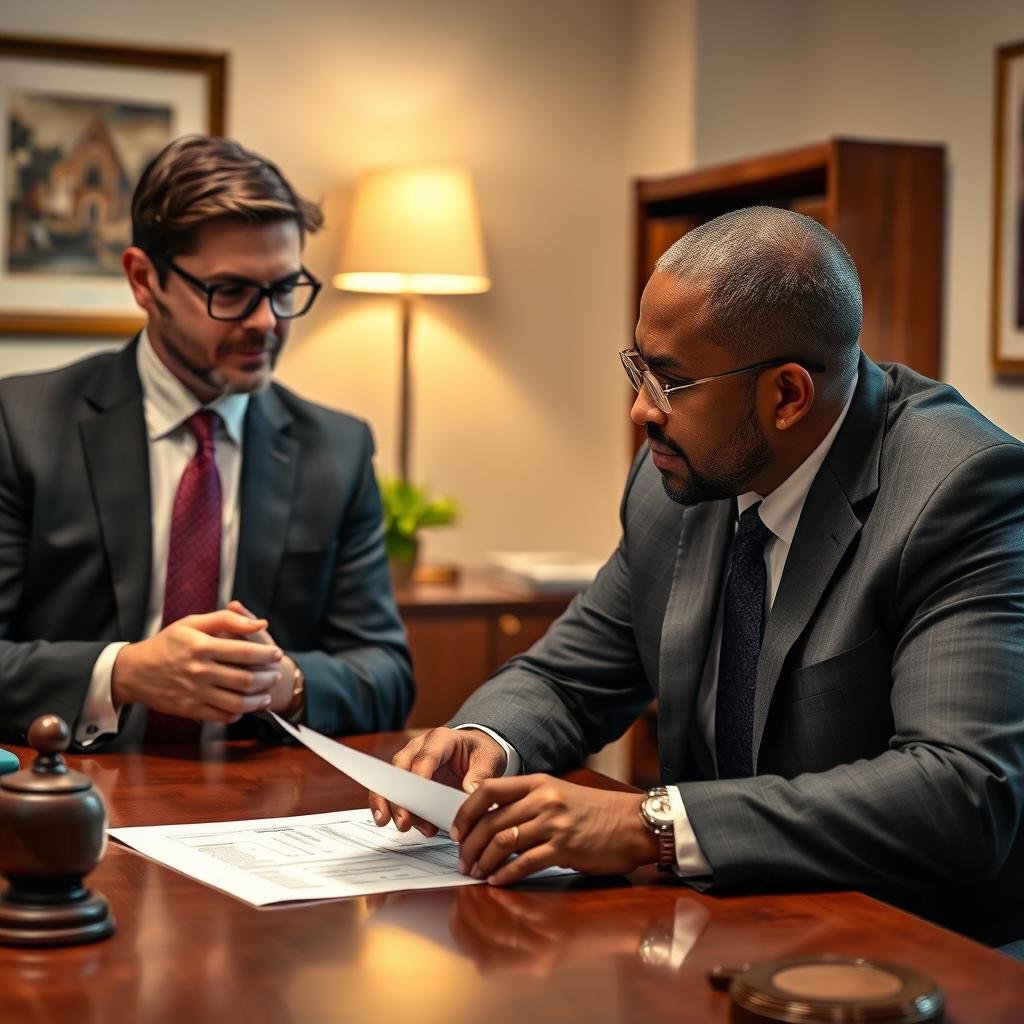
Peru real estate trust lawyer
Engaging a Peru real estate trust lawyer is a critical step for anyone seeking to structure property holdings, protect assets, or plan an estate within the Peruvian legal framework. Real estate transactions in Peru can be complex, especially when trusts are involved, and the guidance of a legal professional who understands both the local property regime and the nuances of trust law is indispensable. Whether you are a foreign investor, a Peruvian national living abroad, or a family seeking to preserve wealth across generations, a lawyer who focuses on real estate trusts in Peru can help you navigate title verification, tax implications, succession rules, and the secure administration of property through a trust vehicle.
Peruvian law recognizes various forms of trusts, particularly the fideicomiso, which is governed primarily by the General Law of the Financial and Insurance Systems (Ley General del Sistema Financiero y del Sistema de Seguros) and supervised by the Superintendency of Banking, Insurance, and AFP (SBS). A real estate trust in Peru typically involves a settlor transferring property to a trustee, who holds and manages it for the benefit of designated beneficiaries. This structure can serve multiple purposes: facilitating development projects, guaranteeing loan obligations, shielding assets from personal creditors, and simplifying the transfer of real estate upon death. A Peru real estate trust lawyer brings clarity to each of these applications and ensures that the trust deed is drafted in strict compliance with Peruvian law.
One of the primary advantages of using a trust for real estate in Peru is the legal separation of assets. When property is placed into a trust, it ceases to be part of the settlor’s personal patrimony. This separation provides a robust layer of protection against future claims, liens, or forced sale that might otherwise jeopardize the property. For international clients, this can be especially attractive because it may help insulate the asset from risks originating in other jurisdictions, provided the trust is properly constituted and administered in Peru. A skilled Peru real estate trust lawyer will coordinate with foreign counsel to align the trust structure with international estate planning goals, while respecting Peruvian mandatory rules such as forced heirship provisions.
Foreign investors often encounter challenges when purchasing real estate in Peru, including restrictions on land ownership near borders or protected areas, and the need to obtain a tax identification number (RUC) for non-residents. A trust can be an effective tool to hold such assets indirectly, but the structure must be carefully designed to avoid triggering adverse tax consequences or violating currency control regulations. A Peru real estate trust lawyer will analyze the investor’s objectives, propose the appropriate type of trust—whether a management trust, a guarantee trust, or a testamentary trust—and prepare the necessary documentation for registration with the Public Registry. Without proper legal counsel, an improperly drafted trust deed may be declared void or fail to achieve the intended asset protection.
Succession planning is another area where a real estate trust lawyer proves invaluable. Under Peruvian intestacy laws, if a property owner dies without a valid will or trust, the estate is distributed according to strict statutory order, which may not align with the deceased’s wishes. A testamentary trust allows the settlor to specify how real property will be managed and distributed after death, potentially bypassing lengthy probate proceedings. The trust can provide income for a surviving spouse, set aside funds for children’s education, or condition the transfer of real estate upon certain milestones. A lawyer focused on Peru real estate trusts can draft these provisions with precision, ensuring they are enforceable and respectful of the rights of forced heirs.
Litigation involving real estate trusts can arise from disputes over trustee management, beneficiary rights, or the validity of the trust itself. Peruvian courts will interpret trust deeds based on the language used and the intent of the settlor, making meticulous drafting essential. A Peru real estate trust lawyer not only structures the trust to minimize the risk of future litigation but also represents clients in judicial or arbitration proceedings when conflicts occur. This includes actions for the removal of a trustee, the rendering of accounts, or the termination of the trust. The lawyer’s familiarity with both civil procedure and trust law is crucial for protecting the client’s interests.
Tax considerations are integral to any real estate trust arrangement. In Peru, the transfer of real estate into a trust may be subject to the Transfer Tax (Impuesto de Alcabala) unless an exemption applies, and the trust income generated by rental or sale can trigger Income Tax obligations. Moreover, the distribution of trust assets to beneficiaries may have Gift or Inheritance Tax implications depending on the relationship between settlor and beneficiary. A knowledgeable Peru real estate trust lawyer works alongside tax advisors to structure the trust in a tax-efficient manner, ensuring compliance with SUNAT requirements and avoiding double taxation through applicable international treaties.
Real estate trust lawyers also assist corporate clients engaged in large-scale development projects. A guarantee trust can secure financing by pledging real estate as collateral, offering lenders a more streamlined enforcement mechanism than a traditional mortgage. Meanwhile, a management trust can be used to develop and operate a commercial property, with the trustee collecting rents, paying expenses, and distributing net income to investors. These structures require thorough due diligence on the property title, environmental regulations, and municipal zoning laws. The lawyer conducts or coordinates this due diligence, providing a legal opinion that the property is free of encumbrances and suitable for the intended trust purpose.
Choosing the right legal counsel for a Peruvian real estate trust involves evaluating the lawyer’s experience with cross-border transactions, their depth of knowledge in both trust and property law, and their ability to communicate effectively in your preferred language. Many firms in Lima offer these services, but it is essential to retain a lawyer who can demonstrate a track record of successfully establishing and administering real estate trusts for clients with similar profiles. A dedicated Peru real estate trust lawyer will also anticipate potential regulatory changes and advise on how to adapt the trust accordingly, ensuring its continued validity and effectiveness over time.
The process of creating a real estate trust in Peru generally begins with an in-depth consultation to define the settlor’s objectives, the selection of a trustee—which can be a bank, a financial institution authorized by the SBS, or a specialized trust company—and the drafting of the trust deed. Once signed, the deed is notarized and registered with the Public Registry to perfect the transfer of the property to the trust. Throughout this process, the lawyer coordinates with notaries, registrars, and the trustee to ensure every step adheres to legal formalities. They also assist in obtaining any necessary municipal or governmental authorizations, particularly if the property is in a regulated zone.
In conclusion, a Peru real estate trust lawyer provides a comprehensive suite of legal services that extend far beyond document preparation. From structuring asset protection strategies and tax-efficient transfers to ensuring compliance with Peruvian inheritance laws and representing clients in trust-related disputes, their role is pivotal to safeguarding real estate investments. Engaging such a lawyer at the earliest stage of planning can prevent costly mistakes and provide long-term peace of mind for settlors, beneficiaries, and their families.
Frequently Asked Questions
What is a real estate trust in Peru, and how does it work? A real estate trust, or fideicomiso inmobiliario, is a legal arrangement in which a settlor transfers ownership of a property to a trustee, who administers it for the benefit of one or more beneficiaries. The trustee holds legal title, but the beneficial interest belongs to the beneficiaries, and the trust terms govern how the property is managed, used, and eventually transferred.
Can a foreigner create a real estate trust in Peru? Yes, a foreigner can create a real estate trust in Peru, provided the trust complies with Peruvian law and any applicable international regulations. The settlor does not need to be a resident, but the trustee must be an entity authorized by the Peruvian Superintendency of Banking, Insurance, and AFP to act as a trustee. The Peru real estate trust lawyer helps foreign clients navigate the tax identification requirements and currency controls.
What types of real estate trusts are available in Peru? The most common types include management trusts, where the trustee administers and leases the property; guarantee trusts, used to secure obligations with real estate collateral; and testamentary trusts, which take effect upon the settlor’s death to distribute real estate according to their wishes. Each serves distinct legal and financial purposes and must be structured accordingly.
How does a trust protect my real estate from creditors? Once a property is validly transferred into a trust, it ceases to be part of the settlor’s personal assets, creating a legal separation that generally shields it from personal creditors, unless the transfer was made to defraud existing creditors. The trust’s assets are intended to be used exclusively for the trust’s purpose, providing a robust layer of protection when properly established.
Is a Peruvian real estate trust subject to forced heirship rules? Yes, Peruvian law reserves a portion of the estate for forced heirs, such as children and a surviving spouse. A trust cannot completely override these rights, but a knowledgeable Peru real estate trust lawyer can design a structure that respects forced heirship while still giving effect to the settlor’s broader estate plan, for instance by managing the property until the forced heirs’ portions are satisfied.
What taxes apply to the transfer of real estate into a trust? Transferring real estate into a trust may trigger the Transfer Tax (Impuesto de Alcabala) if the property’s value exceeds the exemption threshold, with the rate typically being 3% payable by the buyer or transferee. However, certain transfers to testamentary trusts may be exempt. Income generated by the trust property is also subject to Income Tax, and distributions to beneficiaries may have gift or inheritance tax implications depending on the circumstances.
Can a trust help avoid probate in Peru? Yes, a properly executed and registered testamentary trust can remove the real estate from the deceased’s probate estate, allowing the trustee to distribute or manage the property directly according to the trust deed without the need for a lengthy judicial succession process, which can be time-consuming and expensive.
What is the role of the SBS in Peruvian real estate trusts? The Superintendency of Banking, Insurance, and AFP (SBS) regulates and supervises trust companies and financial institutions that act as trustees. It ensures they meet capital, governance, and operational standards, providing oversight to protect the interests of settlors and beneficiaries. The Peru real estate trust lawyer will verify that the chosen trustee is duly authorized by the SBS.
Can I be both the settlor and the beneficiary of a real estate trust in Peru? Yes, you can be both the settlor and the initial beneficiary of a management or guarantee trust, which is common in estate planning and asset protection strategies. However, for a testamentary trust, you would typically name other beneficiaries to receive the property after your passing, though you could retain a lifetime interest as beneficiary.
What should I look for when hiring a Peru real estate trust lawyer? Look for a lawyer with specific experience in Peruvian trust law, a strong background in real estate transactions, and familiarity with cross-border issues if you have international ties. They should be able to provide references, communicate clearly in your language, and work seamlessly with tax advisors and notaries. A lawyer who stays current with regulatory changes and has a practical approach to problem-solving is essential.
Of Counsel: The information provided on this website does not, and is not intended to, constitute legal advice; instead, all information, content, and materials available on this site are for general informational purposes only. Readers should contact their attorney to obtain advice with respect to any particular legal matter. No reader, user, or browser of this site should act or refrain from acting on the basis of information on this site without first seeking legal advice from counsel in the relevant jurisdiction. Only your individual attorney can provide assurances that the information contained herein – and your interpretation of it – is applicable or appropriate to your particular situation. Use of, and access to, this website or any of the links or resources contained within the site do not create an attorney-client relationship between the reader, user, or browser and website authors, contributors, contributing law firms, or committee members and their respective employers.
The views expressed at, or through, this site are those of the individual authors writing in their individual capacities only – not those of their respective employers, SRIS, P.C., or any other law firm, as applicable. All liability with respect to actions taken or not taken based on the contents of this site are hereby expressly disclaimed. The content on this posting is provided “as is;” no representations are made that the content is error-free.
A real estate trust matter is one part of real estate & property lawyer, and our page on real estate lawyer Peru covers the wider process.